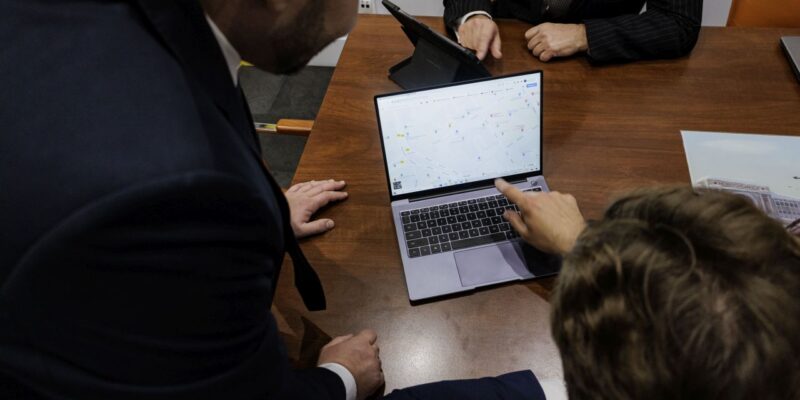
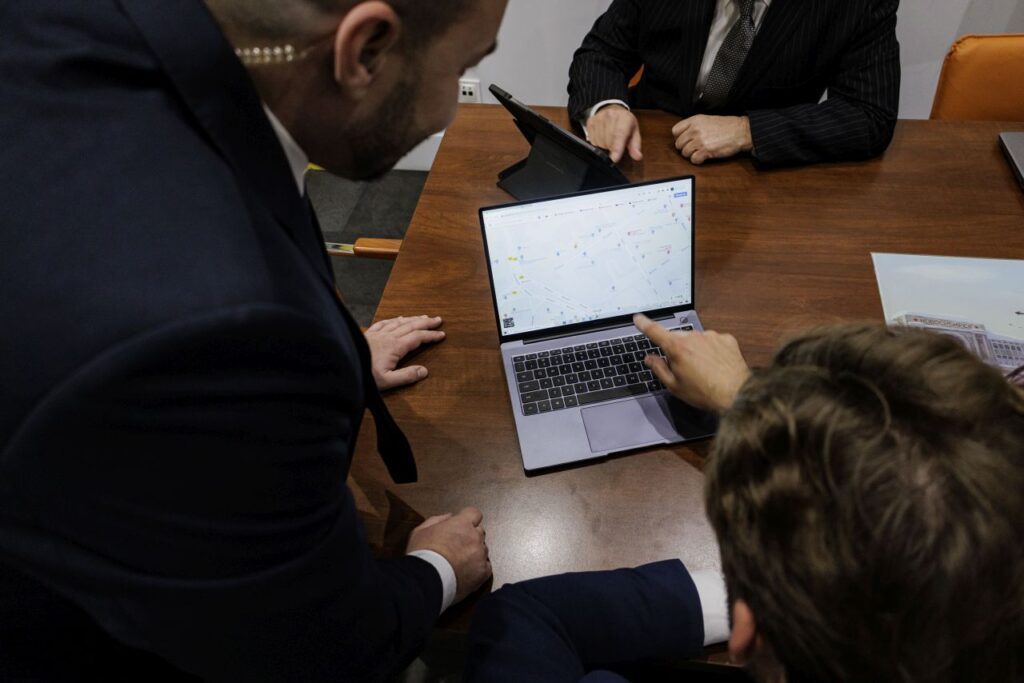
During Warsaw Security Forum 2026 and the days surrounding it, Global Protection Group (GPG) provided close protection services under four separate contracts for diplomats, entrepreneurs and […]
The best protection is not always the most visible. In many environments, a team can operate more effectively when its presence does not attract unnecessary attention […]
For an international security manager, Poland’s private security market can initially look familiar. National operators, regional firms and smaller specialist providers compete for broadly the same […]
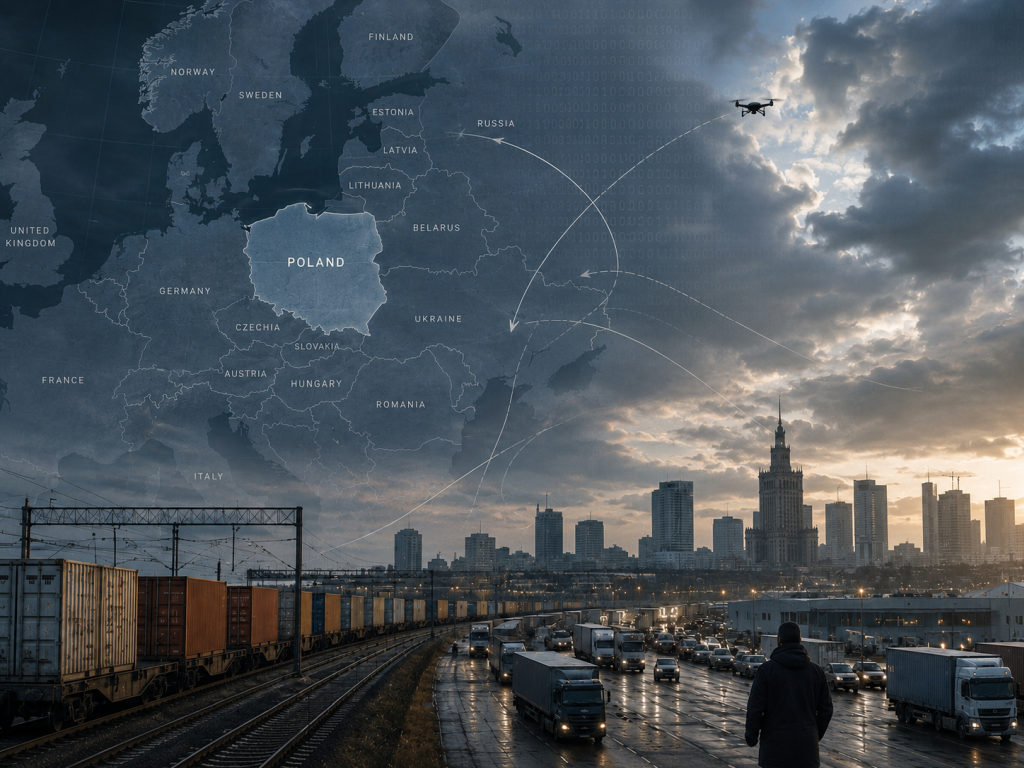
Growing hostile-state activity, proxy networks and locally recruited operatives are changing the environments in which protected individuals travel, work and live. Increasingly, risk may arise not […]
In August 2026, the Financial Times reported on attempts by Colombian illegal armed groups to acquire advanced expertise in the operational use of drones from the […]
Close protection is often assessed through the lens of military, policing or other government-security experience. Yet private-sector protective work demands a different mindset. It is a […]
Executive protection is often reduced to the visible presence of close protection personnel and their ability to respond when an incident occurs. That view significantly understates […]
16 April 2026 Global Protection Group has been formally registered in the Baza Uslug Rozwojowych (Development Services Database), administered by the Polska Agencja Rozwoju Przedsiebiorczosci (PARP). […]
Expo Lubin – the National Civil Protection Fair – made one thing abundantly clear: security is no longer a theoretical discussion. It has become an area of urgent decisions, practical action and growing responsibility, increasingly felt by local authorities, public institutions and operators of critical infrastructure.